
Pre-Prosthetic Surgery.
In cases where the patient cannot hold a fixed prosthesis in the mouth and seeks to make a removable prosthesis, the surgeon must assess the patient’s need to perform preparatory surgery so that the removable prosthesis has maximum stability in the mouth.
The main pre-prosthetic interventions are the removal of excess soft tissue, left over from bone retraction, due to the long absence of teeth and tori, which are bone neo-formations in the palate or inside the lower jaw, which may prevent the prosthesis from descending.
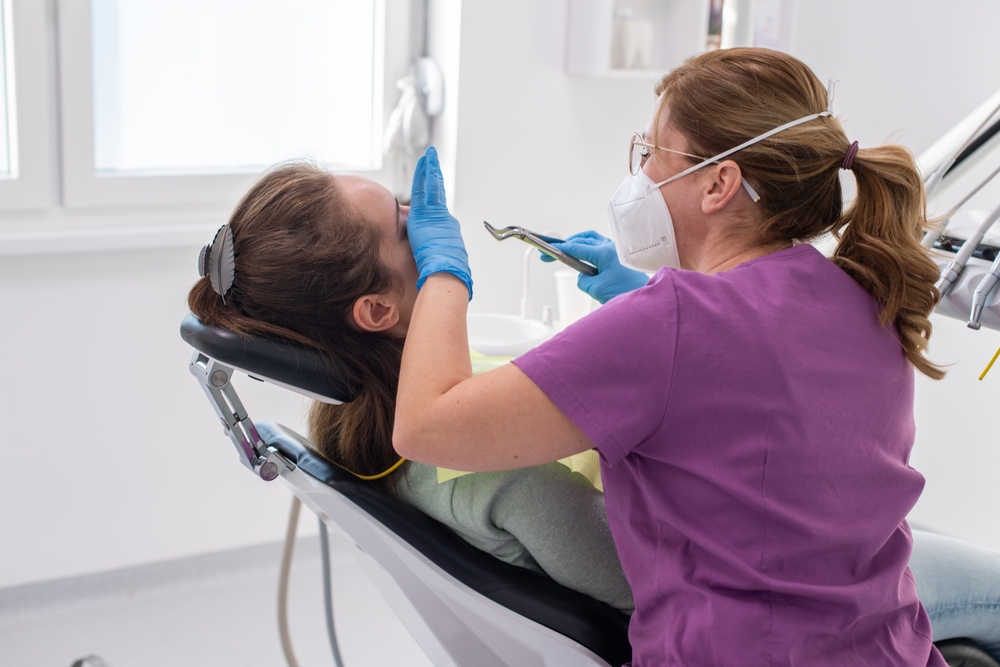
Removals of remaining teeth and roots.
Oral surgery is that branch of dentistry, which deals with surgical interventions in the oral cavity. Below are some of the most common interventions performed by a dentist specializing in oral surgery: Tooth extraction is a routine intervention in oral surgery.
Which is the most common surgery?
The most common surgery is the removal of mature molars, the removal of worn teeth and also the removal of teeth to enable the straightening of teeth with orthodontic appliances and the placement of prosthesis. One of the most important interventions is also the removal of the remaining roots that can lead to bone infections and cysts.
Treatment of infections (abscesses).
In medical language it is called Drainage of Abscesses. Abscesses are infections that come from the decay of teeth in severe degrees or from their stripping and movement. They spread to the gums with variations in size (from a slight bulge in the area around the tooth to a bulge that appears on the outside), which can impede breathing.
When is this treatment performed?
This is accompanied by fever, constant pain, mobility of the teeth, and swelling of the lymph nodes in the neck. Surgical treatment is performed when the treatment of the tooth has not succeeded in eliminating the infection and consists of an intervention in the infected area and disinfection of the infected space, depending on the case, with antibiotics.
Frequently Asked Questions
Is pre-prosthetic surgery always necessary before getting dentures/prosthetics?
What does the surgery involve?
How long is the recovery?
Can I wear my existing or new denture right after surgery?
Will the procedure be painful?
Why does the whole tooth need to be surgically removed instead of just pulled?
Will I feel pain during the extraction?
What are the post-surgery instructions for recovery?
Will antibiotics alone get rid of my tooth infection?
How long will it take for the pain/swelling to go away after starting treatment?
What kind of treatment will I need?
What pain relief can I take?
Ready to Book Your Appointment?
Contact us today to schedule your visit and take the first step toward a healthier smile.